Hydraulic hoses are used in high pressure equipment to transfer hydraulic fluid between different components. They have to withstand high pressure and continuous operation without affecting the performance of the equipment.
In certain instances, choosing the wrong hose or supplier can cause leakage, pressure loss, or even complete hose failure. Because of this, selecting the right hydraulic hose supplier is important for the safe and proper operation of high pressure equipment.
Therefore, we are going to discuss the important factors you must consider when choosing a hydraulic hose supplier for high pressure applications.
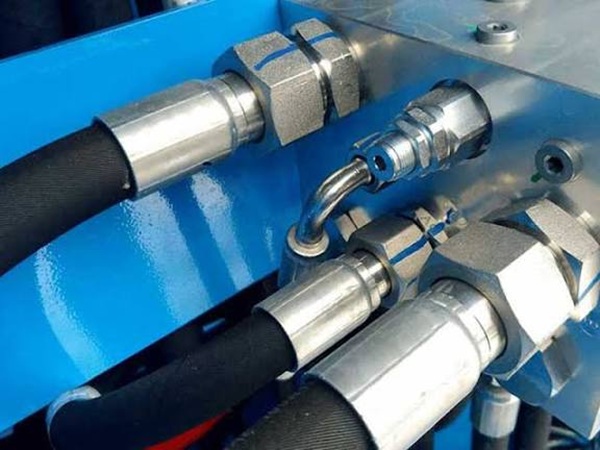
How Do You Choose a Hydraulic Hose Supplier for High Pressure Equipment?
Check the Pressure Rating
The first thing you must check is the pressure rating of the hydraulic hose. High pressure equipment requires hoses that can handle the working pressure of the system.
Every hydraulic hose has a maximum working pressure. You must compare this rating with the pressure requirements of your equipment before purchasing the hose.
A hydraulic hose supplier should provide clear information about the working pressure and other specifications of the hose.
If the hose is used beyond its pressure rating, it can fail and cause hydraulic fluid leakage. Therefore, choose a hose that is suitable for the pressure requirements of your equipment.
Check the Hose Material
The material used to manufacture the hose also plays an important role in high pressure applications.
Hydraulic hoses can have different types of inner tubes, reinforcement layers, and outer covers. The right material depends on the hydraulic fluid, operating temperature, pressure, and working environment.
Therefore, you must provide your equipment specifications to the supplier before choosing a hose.
A reliable supplier can recommend a suitable hose construction based on the requirements of your hydraulic system.
Look at the Reinforcement Layers
Hydraulic hoses used for high pressure equipment generally require strong reinforcement. The reinforcement gives the hose the ability to withstand internal pressure during operation.
Depending on the application, hoses may use braided or spiral reinforcement. The number of reinforcement layers can also vary according to the pressure requirements.
Therefore, check the hose construction and reinforcement specifications before purchasing it.
If the reinforcement is not suitable for the application, the hose may fail under high pressure.
Check Temperature Ratings
Temperature is another important factor that should not be ignored. Hydraulic equipment can operate at high temperatures, and the hose must be capable of handling the operating temperature.
Both the minimum and maximum temperature ratings should be checked before selecting the hose.
For example, a hose that is suitable for normal temperature conditions may not perform properly in equipment that generates high heat.
Therefore, ask the hydraulic hose supplier for the temperature specifications and compare them with the working conditions of your equipment.
Check Compatibility With Hydraulic Fluid
Different hydraulic systems may use different types of fluids. The hose material must be compatible with the fluid used in the equipment.
An incompatible hose can deteriorate over time and may result in leakage or hose failure.
Therefore, provide details about the hydraulic fluid to the supplier. The supplier can then help you select a hose material that is suitable for the application.
This is especially important for high pressure equipment because hose failure can affect the complete hydraulic system.
Check the Hose Fittings
The hose itself is only one part of the hydraulic connection. The fittings used at both ends must also be suitable for the equipment.
The fitting type, size, connection method, and pressure rating must match the hydraulic system.
A supplier should be able to provide suitable hydraulic hose fittings along with the hose when required.
If the hose and fittings are not compatible, the connection may leak or fail during operation.
Consider Product Quality
Product quality is another factor to consider before choosing a supplier. A high pressure hose must be manufactured according to suitable quality requirements.
You can ask the supplier about the hose specifications, manufacturing standards, testing procedures, and product documentation.
This information can help you understand whether the hose is suitable for your application.
You should also check whether the supplier has experience supplying hoses for high pressure equipment.
Check Availability and Delivery
High pressure equipment may require replacement hoses during maintenance or unexpected failures. Because of this, product availability is also important.
A supplier that can provide the required hose sizes and specifications quickly can reduce equipment downtime.
Before choosing a supplier, check the available hose types, sizes, fittings, and delivery options.
If the supplier regularly keeps the required products available, it becomes easier to replace a damaged hose when required.
Check Technical Support
A good supplier should also be able to provide technical information about the products.
You may have questions about hose pressure, temperature, fluid compatibility, fittings, or installation. Having access to technical support can help you choose the correct product.
Therefore, check whether the hydraulic hose supplier can help you identify the right hose based on your equipment requirements.
Conclusion
These are the important factors you must consider when choosing a hydraulic hose supplier for high pressure equipment.
You must check the pressure rating, hose material, reinforcement, temperature rating, fluid compatibility, fittings, product quality, availability, and technical support before making a decision.
The right supplier can help you select a hose that matches the requirements of your hydraulic system. By checking these factors before purchasing, you can reduce the chances of leakage, hose failure, and unnecessary equipment downtime.


