Compression socks are commonly used by people who spend long hours standing, sitting, or traveling. They are also recommended for people with certain circulation problems. These socks apply gentle pressure to the legs, helping blood move more efficiently through the veins.
Poor blood circulation can cause discomfort and lead to other health concerns if ignored. By improving blood flow, compression socks help reduce swelling, tiredness, and pressure in the legs. Understanding how they work can help you decide whether they are a suitable option for your daily routine.
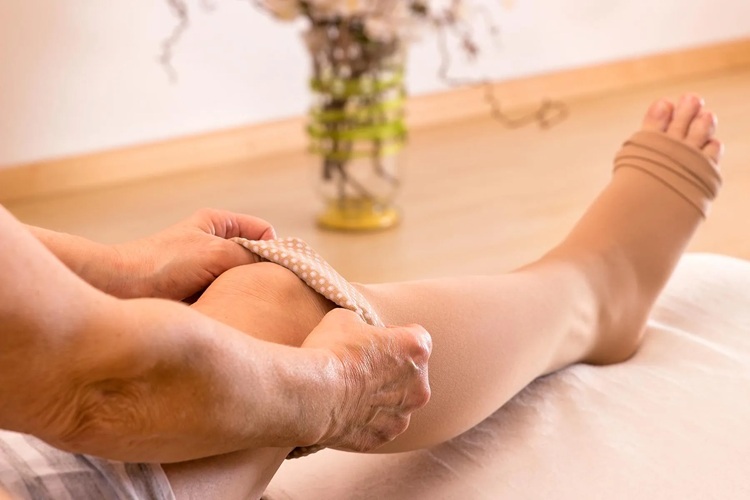
How Compression Socks Improve Blood Circulation?
Compression socks improve circulation by applying steady pressure along the legs. This pressure gently compresses the veins and reduces their diameter.
As a result, blood moves more efficiently through the veins and returns to the heart with less difficulty. Better blood flow also allows oxygen and nutrients to reach the muscles more effectively.
The improved circulation helps reduce fluid buildup in the legs. It also lowers the feeling of heaviness that many people experience after standing or sitting for several hours.
Since blood keeps moving steadily, the chance of blood pooling in the lower legs is also reduced.
Benefits of Better Blood Flow
Better circulation offers several benefits for daily comfort and leg health.
One of the most noticeable benefits is reduced swelling around the ankles and calves. This is especially helpful for office workers, healthcare professionals, retail employees, and travelers who spend long periods without much movement.
Compression socks can also reduce muscle fatigue. Better circulation supplies muscles with oxygen while helping remove waste products more efficiently. This allows the legs to feel less tired after daily activities.
Many people also experience reduced leg discomfort and fewer cramps after using compression socks regularly.
Who Can Benefit From Compression Socks?
Compression socks can be useful for many people.
People with jobs that require standing throughout the day often wear them to reduce leg fatigue. Those who work at desks for several hours may also benefit because sitting for extended periods slows blood circulation.
Frequent travelers often use compression socks during long flights or road trips. Limited movement during travel can reduce blood flow, making compression socks a practical option.
Athletes also wear compression socks before or after physical activity. Some use them to support circulation during recovery after exercise.
People with mild varicose veins or swelling may also wear compression socks after consulting a healthcare professional.
Choosing the Right Compression Socks
Compression socks are available in different pressure levels. Choosing the correct level depends on your comfort and the reason for wearing them.
For everyday use, many people select mild compression that provides support without feeling too tight. Higher compression levels are generally recommended for specific medical conditions and should be selected based on professional guidance.
The fit is equally important. Socks that are too loose may not provide enough pressure, while socks that are too tight may become uncomfortable.
Many businesses and healthcare providers also choose custom made compression socks to match specific sizing requirements, branding, or functional needs. A proper fit helps the socks perform as intended while providing comfort throughout the day.
Tips for Using Compression Socks
Wear compression socks before swelling begins, especially if you know you will be standing or sitting for several hours.
Keep the socks clean and replace them when they begin to lose their elasticity. Over time, worn out socks may provide less effective compression.
Regular walking, stretching, and staying hydrated can also support healthy blood circulation alongside compression socks.
Conclusion
Compression socks help improve blood circulation by applying gentle pressure that supports the veins and encourages blood to move back to the heart. Better circulation can reduce swelling, leg fatigue, and discomfort while supporting healthier vein function.
Whether you spend long hours working, travel frequently, or simply want additional support for your legs, compression socks can be a practical choice. Selecting the correct compression level and proper fit allows them to provide consistent support throughout daily activities. For those needing specialized sizing or business solutions, custom made compression socks offer an option that combines comfort with effective compression.


