A self inking signature stamp is commonly used for repetitive signing tasks in offices and small businesses. It saves time and provides a consistent signature impression. However, many people still have doubts about whether such stamps are accepted in government offices. This article explains where these stamps are accepted, where they are not, and what factors influence their validity.
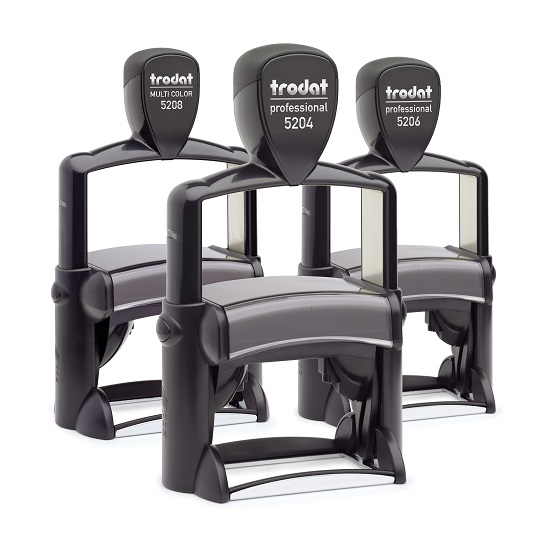
Is a Self Inking Signature Stamp Accepted in Government Offices?
General Acceptance in Government Offices
Government offices usually follow strict rules for document verification. In many cases, they require a handwritten signature for legal and official records. This is because a handwritten signature is treated as a direct act by the individual and can be verified if required.
That said, a self inking signature stamp may be accepted in limited situations. Internal files, routine acknowledgments, office copies, and non legal correspondence may allow stamped signatures. Acceptance varies based on department rules and the purpose of the document.
Documents Where Stamps Are Commonly Rejected
For applications, affidavits, legal declarations, contracts, and identity related forms, government offices often reject stamped signatures. These documents usually require a live signature done in ink. The reason is simple. A stamp can be used by someone else, while a handwritten signature shows personal involvement.
In such cases, even a well made stamp may not replace a handwritten signature. Officers are bound by rules and cannot make exceptions unless stated clearly in guidelines.
Situations Where Stamps May Be Accepted
There are scenarios where a self inking signature stamp is accepted without issues. Departmental circulars, internal memos, invoice approvals, and office dispatch documents often allow stamped signatures. Senior officials also use signature stamps for repetitive administrative work, provided the document does not carry legal weight.
In some offices, a Signature Verified Stamp is used along with initials or an office seal. This combination shows that the document has been reviewed and approved through proper channels.
Role of Department Rules and Circulars
The acceptance of a signature stamp depends heavily on department specific rules. Some government departments release internal circulars allowing signature stamps for defined purposes. Others clearly state that only handwritten signatures are valid.
Before using a stamp, it is important to check the applicable rules of the office handling the document. What works in one department may be rejected in another.
Digital Alternatives and Changing Practices
Many government offices are shifting to digital systems. Online portals, digital signatures, and electronic approvals are becoming more common. In such cases, physical stamps have limited relevance. Digital signatures carry legal recognition and are preferred for official submissions.
However, physical documents still exist, and signature stamps continue to be used for routine work. They serve as a practical tool but not a universal replacement for handwritten signatures.
Final Thoughts
A self inking signature stamp is not universally accepted in government offices. Its acceptance depends on the type of document, department rules, and purpose of use. For legally sensitive documents, handwritten signatures remain mandatory. For routine and internal use, a stamp including a Signature Verified Stamp may be allowed. Understanding these boundaries helps avoid rejection and delays while handling government paperwork.

 Techasting