
Commercial spaces such as restaurants, cafés, and event halls often rely on table coverings to protect furniture while also maintaining an attractive appearance. Two common choices are glass-clear PVC table covers and vinyl tablecloths. While they may seem similar, both materials serve different purposes and offer distinct benefits. To understand which option suits your commercial needs, let us look at their differences in detail.
Difference Between Glass-Clear PVC and Vinyl Tablecloths
Appearance and Aesthetics
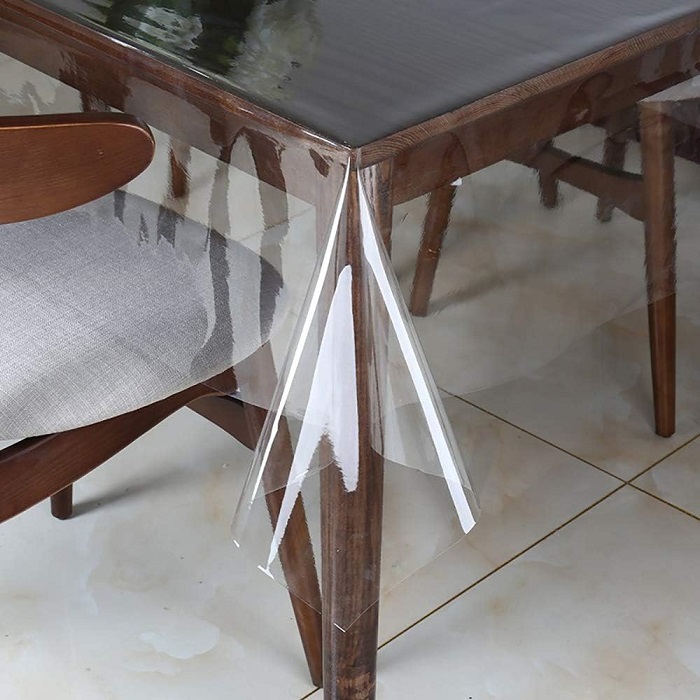
The most obvious difference is their look. A glass-clear PVC cover or mantel transparente keeps the original design of the table or fabric beneath visible. This is helpful in restaurants or banquet halls that use decorative fabric tablecloths but still require protection.
On the other hand, vinyl tablecloths themselves act as the decorative layer. They come in solid colors, prints, or textured finishes. This makes them suitable when you want to set a particular style or theme without needing an additional cloth underneath.
Durability and Protection
Both options offer durability, but in slightly different ways. Glass-clear PVC is thicker and more rigid in many cases, which makes it excellent for protecting against scratches, spills, and heat from serving dishes. It acts like a shield on top of the table.
Vinyl tablecloths are softer and more flexible. They resist spills and stains effectively, but their main role is to provide an easy-to-maintain surface with cushioning from the backing layer. While they may not resist sharp objects as strongly as thick PVC covers, they still provide sufficient everyday protection for commercial use.
Cleaning and Maintenance
Maintenance is simple for both types. A glass-clear PVC cover can be wiped clean with a damp cloth after each use. Because it is non-porous, stains do not seep through. However, it can sometimes show fingerprints, smudges, or dust more easily due to its clear surface.
Vinyl tablecloths are equally easy to maintain. They can be cleaned quickly with a cloth or sponge, and since they are opaque, they do not show marks as visibly as clear PVC. Their flannel or non-woven backing should not be soaked, but surface cleaning is straightforward.
Comfort and Practicality for Customers
Comfort is another factor to consider. Glass-clear PVC is smooth but may feel slightly stiff compared to vinyl. Customers may notice this firmness when resting their arms on the table. Vinyl tablecloths, with their soft backing, feel warmer and more comfortable for longer sitting times.
In settings like family restaurants or cafés, vinyl might be preferred for the added comfort. In banquet halls or fine dining, the transparent PVC may be favored to highlight the fabric tablecloth beneath while still protecting it.
Cost and Value
Both options are cost-effective solutions for commercial spaces. Glass-clear PVC covers can sometimes be priced higher due to their thickness and custom-fit requirement. Vinyl tablecloths, available in different grades, can range from affordable to premium depending on design and backing material.
For businesses that frequently change table décor, vinyl is practical. For those investing in quality fabric cloths that need protection without losing visibility, glass-clear PVC offers long-term value.
Conclusion
Glass-clear PVC and vinyl tablecloths each serve specific purposes in commercial use. A mantel transparente is ideal if you want to preserve the look of the table or decorative cloth beneath while still protecting it from damage. Vinyl tablecloths are better suited if you need an easy-to-clean, comfortable cover that also provides decorative options.

 Techasting