Boating can be a rewarding and memorable experience for families. It offers a chance to disconnect from daily routines and spend quality time on the water. But for families new to boating, it’s important to start with safety as the top priority. Before setting out on your first family boating adventure, you should understand the key safety considerations that can protect everyone on board and help you build a long-term interest in the family boating lifestyle.
Start with the Basics: Life Jackets for Everyone
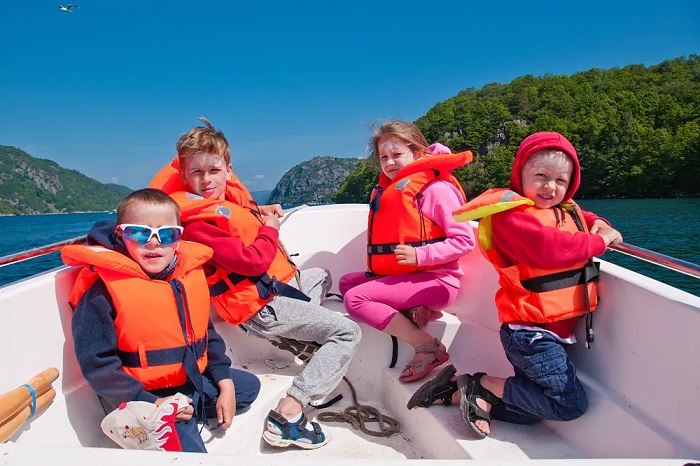
One of the first and most important steps is having the right life jackets for every person on the boat. This includes children, teens, and adults. Make sure each life jacket is the correct size, in good condition, and approved by the appropriate safety authority in your region. Children should always wear their life jackets while on board, even when the boat is docked or anchored.
Teach your family how to put them on and why they are important. It’s also helpful to wear them yourself so children understand that safety is for everyone, not just for them.
Prepare for Emergencies
Before any trip, go over basic emergency procedures with your family. Make sure everyone knows what to do if someone falls overboard, how to use the radio or call for help, and how to recognize signs of trouble like incoming weather changes. Keep emergency contacts and important documents handy on board. It’s wise to keep a waterproof emergency kit that includes:
- First aid supplies
- A whistle or horn
- Flashlights with extra batteries
- Flares or other signaling tools
- Fire extinguisher
- Waterproof maps and a compass
Regular practice can help your family respond calmly and confidently in case of an emergency.
Weather Awareness Is Key
Families new to boating should always check the weather forecast before heading out. Conditions can shift quickly on the water. Wind, waves, and storms are not just uncomfortable—they can be dangerous. Plan your trips during calm periods and always have a plan to return to shore quickly if weather changes unexpectedly.
It’s a good habit to teach your children how to read weather apps or marine forecasts. This helps them stay engaged and more aware of boating safety as a shared responsibility.
Choose the Right Boat for Your Family
If you’re buying your first boat, think carefully about size, layout, and storage. A safe boat for family outings should have high sides, non-slip flooring, and enough space for everyone to move around comfortably without tripping over gear.
Brett Bartoli, a seasoned boat broker based in Montgomery, Texas, often reminds new buyers that “boats are more than just an asset—they’re a gateway to lifelong memories.” With over a decade of experience, Brett has helped hundreds of families find the right boat for their family boating lifestyle. His approach is all about clear communication and making the buying process simple and rewarding, especially for families stepping into boating for the first time.
Supervision and Clear Roles
Assign simple roles to each family member while on the boat. For example, older children can help with checking supplies, keeping an eye out for buoys, or managing ropes while docking. This gives everyone a part to play and keeps them focused on the boating experience. However, young children should always be supervised closely and kept within arm’s reach, especially when the boat is moving.
Also, set clear rules—no running on deck, no leaning over the rails, and always ask before moving around.
Safe Loading and Unloading
Accidents often happen while getting on or off the boat. Always take your time during boarding. Have one adult manage the boat while others help passengers on board. Keep hands and feet away from edges and rails while docking, and avoid carrying too much at once.
Teach children to wait their turn and move slowly. These small habits can prevent falls and injuries.
Learn the Navigation Rules
Even if you are boating in familiar waters, knowing the basic “rules of the road” is crucial. Take a boating safety course together or go over simple rules like who has the right of way, how to spot markers and buoys, and how to handle speed zones. Many local authorities offer beginner classes that are great for families.
Familiarizing your children with these rules early on helps them develop good habits and a deeper appreciation for the boating lifestyle.
Make Boating a Safe and Lasting Family Experience
The family boating lifestyle is about creating lasting memories on the water. But comfort and fun should never come at the cost of safety. Whether you’re exploring a nearby lake or planning a weekend outing, staying prepared and learning the basics will help you enjoy boating as a stress-free and enriching activity.
By starting with the right safety habits and involving the whole family in the learning process, you’ll be setting the stage for years of joyful boating experiences. And when it’s time to pick your first boat, working with someone like Brett Bartoli—who understands both the technical side and the emotional value of boating—can make all the difference.

 Techasting