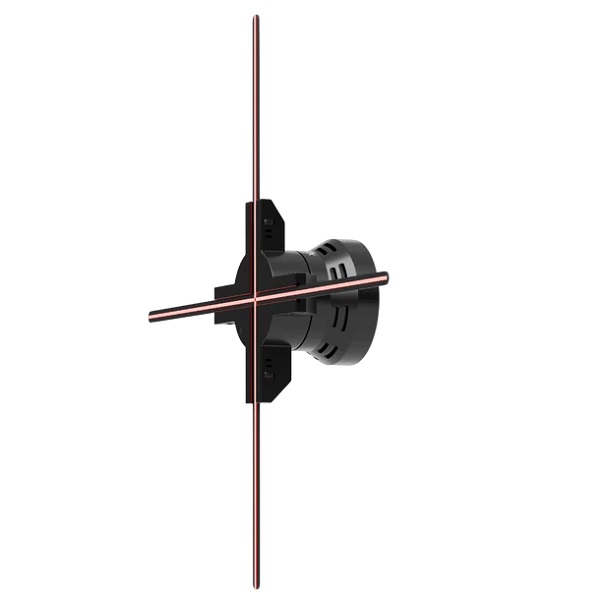
A 3D hologram fan display is an eye-catching technology that has gained popularity for marketing campaigns due to its ability to draw attention and showcase products or messages in a dynamic way. But once you set up this innovative display, how do you actually measure its effectiveness? Understanding the impact of your 3D hologram fan on your marketing goals is key to making informed decisions for your campaign’s success.
Tracking Audience Engagement
One of the primary ways to evaluate the performance of your hologram fan display is by observing audience engagement. This can be done by measuring foot traffic around the display location or monitoring how long viewers stay engaged. Setting up cameras or manual observation can provide insights into the number of people who stop and interact with the display. Longer engagement times generally indicate that the display is successfully capturing attention and sparking interest.
Analyzing Social Media Impact
In today’s digital age, social media plays a significant role in marketing success. You can track how often your 3D hologram fan display content is shared or mentioned on platforms like Instagram, Twitter, or Facebook. Creating a dedicated hashtag or encouraging visitors to post photos or videos can help you gauge online buzz. A rise in user-generated content related to your display suggests a positive reception and increased brand awareness.
Measuring Leads and Conversions
Beyond visibility, your marketing campaign’s goal is often to generate leads or sales. You can measure the effectiveness of your 3D hologram fan by linking it to specific calls to action, such as QR codes, website links, or special promotional offers displayed alongside the hologram. Tracking how many people use these features will give you a direct measure of how well the display drives customer action.
Gathering Customer Feedback
Collecting feedback from your audience can provide valuable qualitative data on how your display is received. This can be done through brief surveys or informal conversations. Questions about clarity, appeal, and the overall impression of the 3D hologram fan content will help you understand the strengths and weaknesses of your display, offering guidance for future improvements.
Comparing Pre- and Post-Campaign Data
Another approach to measuring effectiveness is by comparing key performance indicators before and after the installation of the hologram fan. This might include foot traffic numbers, sales figures, or online engagement statistics. A noticeable increase following the introduction of the display points toward its positive impact.
Using Analytics Tools
If your 3D hologram fan is integrated with digital components like touchscreens or interactive elements, analytics software can provide precise data. These tools can track clicks, interactions, and time spent on specific content. The data collected will help you fine-tune your campaign and make data-driven decisions to maximize results.
Conclusion
Measuring the success of a 3D hologram fan display in a marketing campaign involves a combination of quantitative and qualitative methods. Tracking audience engagement, social media activity, lead generation, customer feedback, and using analytical tools will give you a comprehensive view of its impact. Taking these steps will help you decide how well the display contributes to your overall marketing goals and where adjustments may be necessary. With clear measurements in place, you can make better choices about how to use this technology in future campaigns.

 Techasting