Skin darkening in the intimate area is a common concern for many individuals. It can occur for various reasons and may affect both women and men. While it’s not usually a serious health issue, it can lead to self-consciousness and discomfort. So, what causes skin darkening in this area, and can it be reversed? Let’s explore the potential causes and solutions.
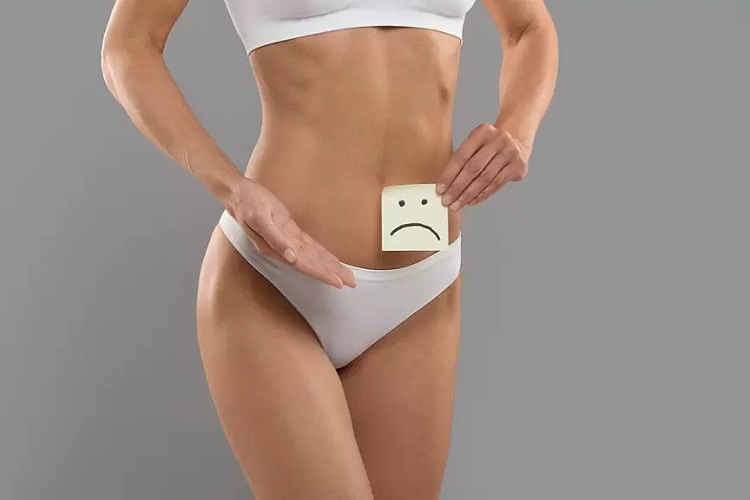
Causes of Skin Darkening in the Intimate Area
1. Hormonal Changes
Hormonal fluctuations play a significant role in skin changes, including darkening. This is often seen during pregnancy, puberty, or menopause, as hormone levels can fluctuate dramatically. For women, increased estrogen and progesterone levels can trigger hyperpigmentation in areas like the armpits, groin, and genital region. This is a common condition known as Acanthosis nigricans, which causes dark patches of skin, often accompanied by thickening. These changes can also occur in men, particularly during puberty or if they are on certain medications that alter hormone levels.
2. Friction and Skin Irritation
Friction from tight clothing, shaving, or even frequent rubbing in the intimate area can cause irritation, leading to skin darkening. This occurs when the skin becomes inflamed and produces more melanin in response to repeated stress. The skin may darken as a protective mechanism to shield the deeper layers from the damage caused by friction. This is common in areas like the inner thighs and groin.
3. Poor Hygiene and Sweat Accumulation
Excessive sweating, especially in warm and humid conditions, can lead to a build-up of sweat and bacteria in the folds of skin. This can cause irritation and inflammation, which may eventually lead to skin darkening. Poor hygiene or not washing the area properly can also contribute to the accumulation of dead skin cells and oils, which may affect the skin’s appearance. Ensuring proper cleanliness is important in preventing these issues from developing.
4. Use of Harsh Chemicals and Products
Some people may use harsh soaps, deodorants, or lotions in their intimate area, hoping to maintain freshness. However, these products can be overly aggressive and cause irritation, stripping the skin of its natural oils. Over time, this can lead to dryness, skin damage, and darkening. It’s best to use gentle, non-irritating products specifically designed for sensitive skin in this area.
5. Aging
As we age, our skin naturally changes. The production of collagen and elastin slows down, which can lead to thinner skin and a change in pigmentation. With this, darker skin may appear in areas where there is more melanin production, including the intimate region. Aging can also make the skin more prone to irritation and friction, further contributing to darkening.
6. Medical Conditions and Medications
Certain medical conditions can contribute to skin darkening in the intimate area. Conditions such as diabetes, obesity, and thyroid disorders can lead to changes in the skin’s pigmentation. Additionally, medications like birth control pills, antibiotics, or other hormonal treatments may cause changes in melanin production, resulting in darker skin.
Can Skin Darkening in the Intimate Area Be Reversed?
Fortunately, skin darkening in the intimate area can be managed and, in some cases, reversed with the right approach. Here are some effective ways to address the issue:
1. Maintain Good Hygiene
Maintaining proper hygiene is essential in preventing skin darkening caused by sweat and bacteria accumulation. Gently wash the area with lukewarm water and mild, fragrance-free soap. Avoid using harsh chemicals that may irritate the skin. Keeping the area clean and dry will also help to prevent friction-related issues.
2. Avoid Tight Clothing
Tight clothing can cause excessive friction and pressure on the skin, leading to irritation. Opt for loose, breathable clothing made from natural fabrics like cotton. This will help reduce skin irritation and allow the skin to breathe, which can reduce the chances of darkening.
3. Use Gentle Skin Care Products
When treating the intimate area, it’s important to use skin care products designed specifically for sensitive skin. Look for products that are free from strong fragrances, alcohol, and other harsh chemicals. Aloe vera or coconut oil can help soothe irritated skin and reduce inflammation, helping to improve the appearance of darkened areas.
4. Professional Treatments
If the skin darkening is persistent, some individuals turn to professional treatments to help lighten the skin. Chemical peels, microdermabrasion, or laser treatments may be options, depending on the severity of the condition. These treatments can help exfoliate the skin and promote the growth of fresh, new skin cells, leading to a brighter appearance. However, it’s essential to consult with a dermatologist before pursuing any professional treatments.
5. Healthy Diet and Hydration
A balanced diet and proper hydration can also play a role in the appearance of your skin. Foods rich in antioxidants, such as fruits and vegetables, can help protect your skin from free radical damage and support healthy skin regeneration. Staying hydrated also helps maintain the skin’s elasticity and moisture, preventing it from becoming dry or irritated.
6. Vaginal Whitening Products
For those specifically concerned about vaginal whitening, it’s important to understand that the skin in this area may naturally be darker due to genetics or hormonal changes. While some products claim to lighten the skin, it’s crucial to approach these options with caution. Always consult with a healthcare provider before trying any whitening treatments to ensure they are safe and effective for your skin type.
7. Addressing Underlying Medical Conditions
If skin darkening in the intimate area is due to a medical condition, treating the underlying cause may help reverse the darkening. For example, controlling blood sugar levels in individuals with diabetes or addressing hormonal imbalances can often result in improvements in skin pigmentation. It’s important to seek medical advice if you suspect that an underlying condition is contributing to the skin changes.
Conclusion
Skin darkening in the intimate area can be caused by several factors, including hormonal fluctuations, friction, poor hygiene, and medical conditions. Fortunately, with proper care and attention, the skin can often be lightened and its appearance improved. If you’re considering treatments for vaginal whitening or any other skin concerns, always consult a healthcare professional before using products or undergoing procedures. With patience and the right approach, you can achieve a smoother, more even skin tone in the intimate area.

 Techasting