In recent years, technology has profoundly transformed many aspects of our lives, and kitchen design is no exception. One of the most significant advancements is the integration of artificial intelligence (AI) in kitchen design. This integration offers a blend of efficiency and aesthetics that meets the needs of modern homeowners. But how exactly does AI kitchen design contribute to these improvements? Let’s explore the key benefits.
Streamlined Planning and Layout
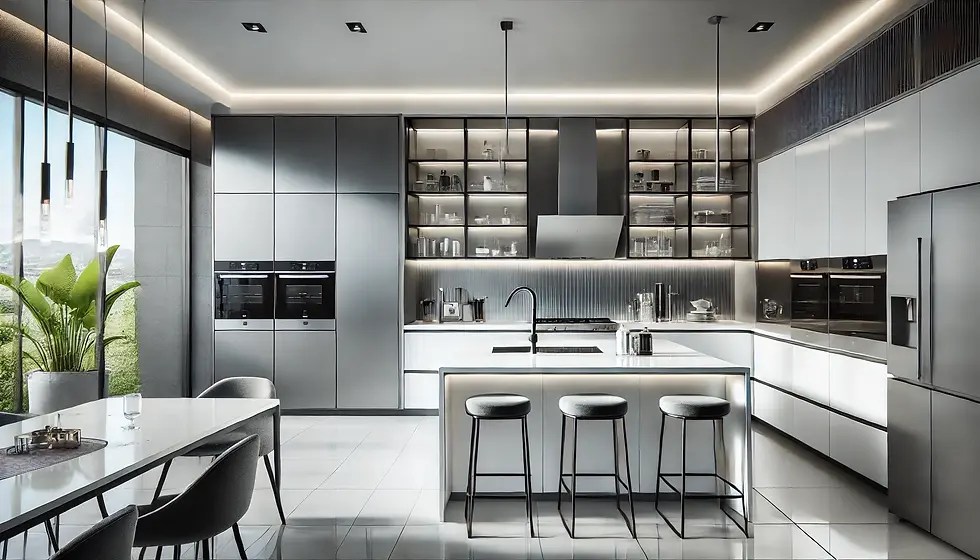
AI kitchen design tools facilitate the planning process by helping designers and homeowners visualize the space more effectively. By using 3D modeling software, users can create realistic representations of their kitchens. These tools allow for easy adjustments to layout and cabinetry, making it possible to optimize the space according to individual preferences. As a result, the kitchen can be arranged for both functionality and style, leading to a space that looks great while being easy to use.
Smart Appliances and Automation
The rise of smart appliances has also been a game changer in kitchen design. AI technology enables appliances to communicate with each other, improving overall efficiency. For example, smart ovens can adjust cooking times based on the specific dish, while refrigerators can track expiration dates and suggest recipes using ingredients that need to be used. This level of automation reduces the time spent on meal preparation and enhances the cooking experience.
Enhanced Energy Management
Energy efficiency is a major concern for many homeowners. AI kitchen design can help address this by optimizing energy consumption. Smart sensors can monitor the usage of appliances and lighting, adjusting them based on occupancy and time of day. This not only saves on energy bills but also contributes to a more sustainable home. By minimizing waste and utilizing energy-efficient products, homeowners can enjoy a stylish kitchen that is also environmentally friendly.
Personalized Design Options
AI can analyze user preferences and trends to offer personalized design suggestions. By studying data from various sources, AI kitchen design tools can recommend color schemes, materials, and layouts that align with the homeowner’s taste. This makes it easier for individuals to achieve the aesthetic they desire without extensive research or guesswork. Homeowners can create a kitchen that reflects their personal style while benefiting from AI’s insights.
Improved Functionality Through Space Optimization
The integration of AI in kitchen design goes beyond aesthetics; it significantly enhances functionality. AI can analyze kitchen workflows and suggest modifications that improve movement and accessibility. For instance, it can recommend cabinet placements that minimize walking distance between cooking, cleaning, and storage areas. This practical approach results in a kitchen that is not only visually appealing but also a joy to work in.
Conclusion
AI kitchen design is revolutionizing how we approach modern kitchen spaces. By improving planning, incorporating smart appliances, enhancing energy management, offering personalized design options, and optimizing functionality, AI contributes to a kitchen that is both efficient and visually attractive. For anyone considering a kitchen renovation or new build, embracing AI technology can lead to a beautifully designed kitchen that meets the demands of contemporary living.
In summary, as we look to the future of kitchen design, the integration of AI will continue to play a crucial role in shaping environments that are functional, stylish, and efficient.

 Techasting